Category: Designers
-
The Occasion is Now
An occasional blog – and the occasion is now! It’s a fact that posting on Instagram has somewhat undermined my impulse to write a blog but I know that quite a lot of my readers aren’t social media followers and therefore can miss out on my news – apologies. And there is, in fact, quite…
-
Sanderson – Mid Century Fabric
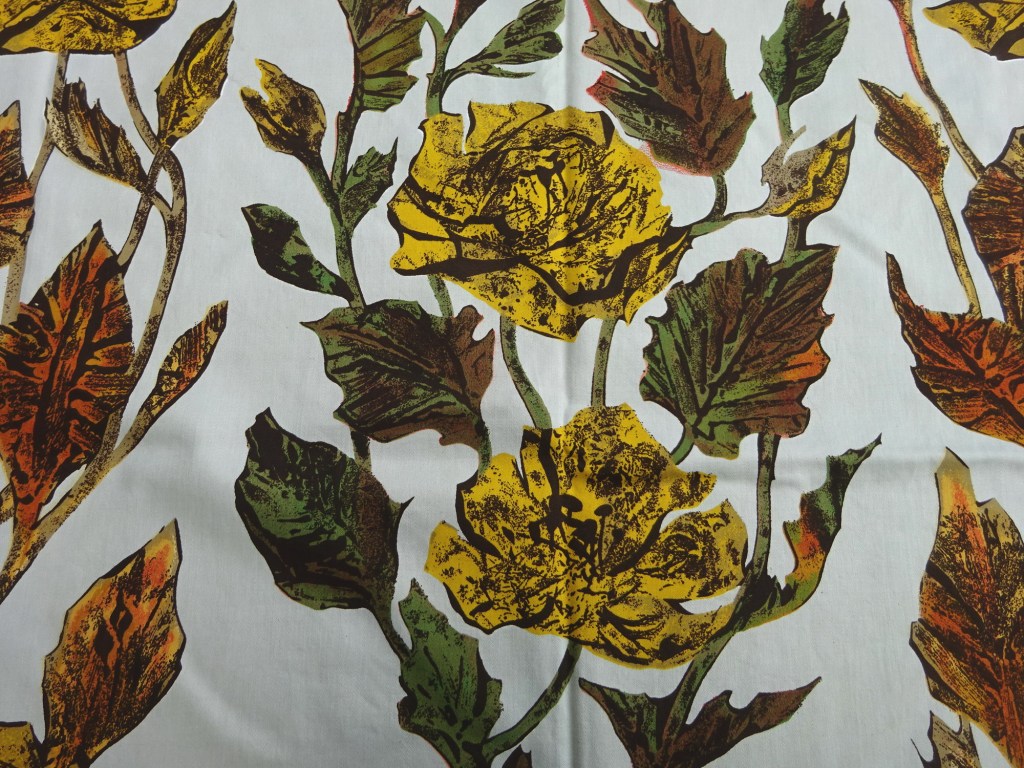
Arthur Sanderson and sons fabric have been in production for many years. Opening in 1860, making wallpaper , after a few years in the early 1990s, they began producing furnishing fabric. They are still in production, bringing out new designs as well as the ever popular traditional designs. In the early 2000s Sanderson reprinted several…
-
Morris & Co Textiles and The Red House
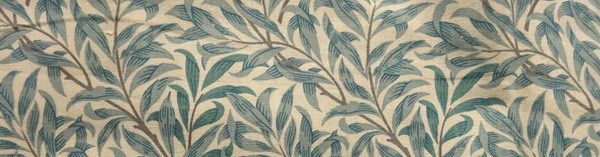
The Red House is an important Arts and Crafts building in Bexleyheath, Southeast London. Designed in 1859 by architect Philip Webb as a home for William Morris it was completed in 1860. Although Webb was the architect it was known as Morris’s ‘brainchild’ photo by Ethan Doyle White Unable to find suitable textiles and furnishings…
-
Birds and Animals in William Morris Designs
William Morris (1834-1896) is regarded by some as the greatest designer and one of the most outstanding figures of the Arts and Crafts Movement, this group of artists and craftsmen set up to provide beautiful, handcrafted products and furnishings for the home. Morris is much quoted as saying “Have nothing in your houses that you…
-
The Art of John Piper in Fabric and Textiles.
John Piper (1903–1992) is one of the most significant British artists of the twentieth-century. An official war artist during the 2nd world war, he came to prominence soon after, known for paintings, tapestries and designing large scale glass windows, such as those in Liverpool and Coventry Cathedrals. The ‘rerados’ tapestry in Chichester Cathedral 1966 Many…
-
Indian Influence in 1960’s Fabric Design
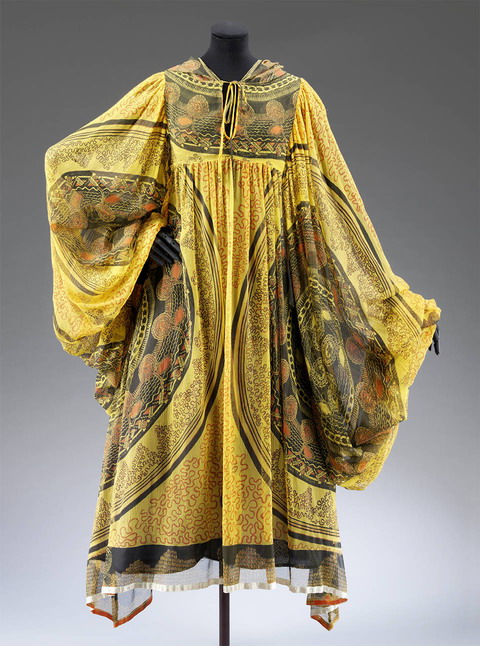
In the late 1960s and early 70s there was a great fascination for Eastern cultures. The Beatles especially were very interested in Indian music and were influential in spreading the word widely. Music, art and fabric designed for clothing and interiors all showed this trend. It was a fashionable, especially with the hippy movement to…
-
Grautex. Mid-Century Danish Textiles
Grautex fabrics were a leading textile company in the 1950’s through to the 1970’s. They were based in Copenhagen, Denmark and used many well known artists and designers of the time such as Joan Nicola Wood, Kirtsen Romer and Ronald Hansen who produced art prints such as pine trees ( below) and beech trees…
-
Toile de Jouy Fabric
Toile prints were originally produced in Ireland in the mid-18th Century and quickly became popular in Britain and France. The name Toile de Jouy originated in France in the late 18th century and means “cloth from Jouy”, a town near Paris. Christophe-Phillipe Oberkampf set up business in Jouy-en-Josas outside Paris in 1759, where he joined with engraver and designer…
-
Artist Textiles.
The early 20th century saw the rise of artists having their designs printed on fabric to be used in the house or as pieces of clothing. This meant that their art was accessible to the masses rather than being owned by galleries or the very rich. After the war a movement called ‘a masterpiece in…
 Ali Vintage Fabric